
Self-instructions
Overview
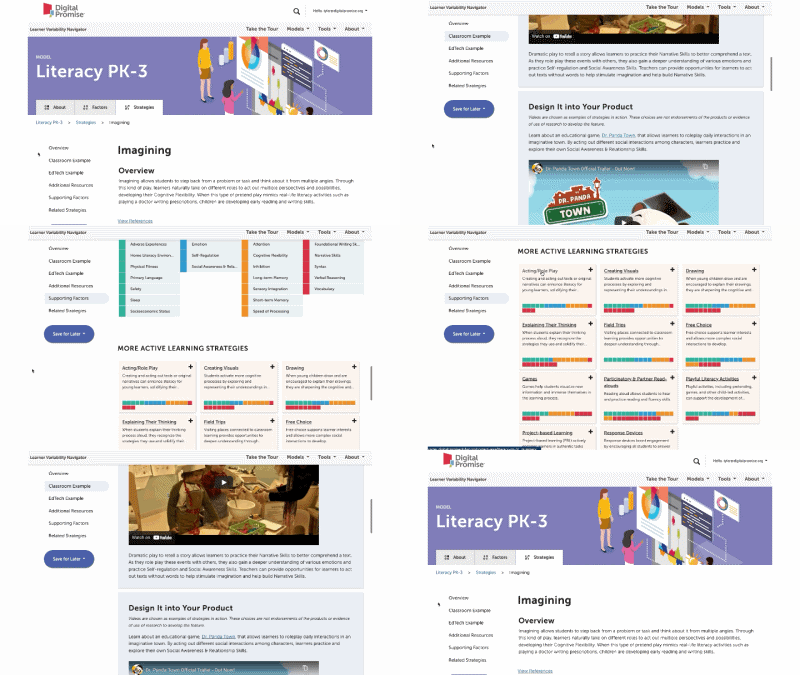
When students engage in a dialogue with themselves, they are able to orient, organize, and focus their thinking. By talking through steps and procedures, learners are able to go through the writing process and consciously direct their Attention to relevant aspects of their learning, retaining these processes in Long-term Memory.
Example: Use This Strategy in the Classroom
Design It into Your Product
Factors Supported by this Strategy
More Metacognitive Supports Strategies
Checklists and rubrics help students develop their abilities to self-assess and revise their writing.
Setting overall goals, as well as smaller goals as steps to reaching them, encourages consistent, achievable progress and helps students feel confident in their skills and abilities.
Journaling allows students to reflect on their thinking and feelings, process their learning, and connect new information to what they know.
When students reframe negative thoughts and tell themselves kind self-statements, they practice positive self-talk.
Pre-assessments are tools or activities used before instruction begins to help educators understand what students already know, understand, or can do—and where they may need support.
Providing space and time for students to reflect is critical for moving what they have learned into Long-term Memory.
When students monitor their comprehension, performance, and use of strategies when reading and writing, they build their Metacognition.